


Key Takeaways
- Diversifying your income sources protects against unexpected job loss or economic instability, increasing financial flexibility.
- Automating savings and regularly reviewing and cutting discretionary expenses allow you to build an emergency fund or reach important financial goals steadily.
- Investing in ongoing skills development increases employability, provides more career options, and creates opportunities for higher or alternative income streams.
- Smart use of technology simplifies financial management, enabling you to stay organized and make informed financial decisions more easily.
- Mindful spending ensures your day-to-day purchases are intentional and align with your long-term financial aspirations, cultivating lasting resilience.
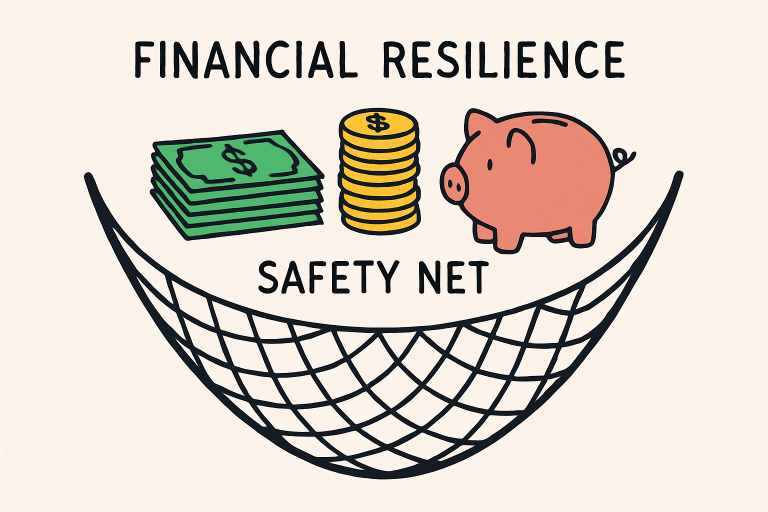
In today’s increasingly unpredictable economic landscape, building and maintaining financial resilience is more important than ever. Unforeseen events—from sudden job loss, economic downturns, to unplanned medical expenses—can threaten even the most carefully laid financial plans. While traditional practices like disciplined saving and budgeting lay a solid foundation, truly robust financial resilience requires a more innovative, holistic approach that allows you to withstand shocks and bounce back stronger. Incorporating creative strategies, such as diversifying your income, embracing modern technologies, and practicing mindful money management, can help establish a sustainable safety net. By proactively adopting these methods, you give yourself greater confidence and flexibility to navigate the uncertainties of life. For those searching for a practical step to get started, resources like Credit Karma’s review of MaxLend can offer accessible options for managing unexpected expenses, helping set the stage for longer-term financial health and resilience.
Achieving financial resilience isn’t simply about surviving during tough periods; it’s about developing the capacity to thrive in any economic environment, regardless of what comes your way. Adopting a proactive, creative mindset regarding your finances can transform setbacks into opportunities for growth. This guide will present actionable strategies that empower you to strengthen your financial footing, enhance your peace of mind, and adapt confidently to new challenges.
Diversify Income Streams
Diversification is one of the most critical pillars of financial resilience. Relying exclusively on a single paycheck or singular source of income exposes you to significant risk if that stream is unexpectedly disrupted. Explore various opportunities such as side gigs in the sharing economy—driving for ride-share services, delivering food, or taking on freelance tasks suited to your unique skills. Renting out a spare room, listing extra space on platforms like Airbnb, or selling items you no longer need online are all accessible options. You might consider monetizing hobbies or leveraging expertise by teaching classes or tutoring online. Recent studies indicate that individuals with multiple income streams have greater capacity to withstand job loss, business downturns, or industry shifts because they aren’t reliant on a sole source. Even modest supplemental earnings accumulated over time can create a valuable financial cushion, reduce stress, and increase your confidence to handle life’s uncertainties. By regularly assessing your skills, interests, and available resources, you’ll likely discover more ways to build layered streams of income that add ongoing security and peace of mind.
Automate Savings
Consistency is the cornerstone of growing an emergency fund or achieving specific savings goals. However, manual transfers or relying on willpower alone can make saving unnecessarily difficult. Automation helps eliminate this friction by making it effortless to save: Set up your payroll to allot a portion of each paycheck directly into a designated savings or high-yield account the moment it arrives. Many modern banking apps and online platforms provide tools to automatically transfer fixed amounts at regular intervals, ensuring your savings accumulate without constant attention. Even if you start with a relatively modest amount each pay period, the power of automation and compound interest can accelerate your progress, offering peace of mind and readiness to face unexpected challenges. Besides establishing your emergency fund, automation can help with targeted-savings accounts for goals such as family vacations, home improvement projects, or major appliance replacements. By “paying yourself first,” you progress toward your priorities with minimal effort, and your savings can grow quietly in the background. Automation prevents the temptation to spend everything you earn and reinforces the habit of prioritizing long-term security over short-term gratification.
Invest in Skills Development
Adopting a growth mindset concerning finances means viewing your knowledge and talents as assets worth investing in. The job market and business landscapes are changing at unprecedented rates, and the ability to adapt quickly becomes a critical element of financial resilience. Explore various skills-development paths relevant to your field, adjacent industries, or even entirely new career directions that pique your interest. Numerous online platforms offer affordable or free training, certifications, and workshops covering hard and soft skills. Expanding your expertise increases your marketability, strengthens your resume, and prepares you for opportunities you may not have anticipated—a promotion, a better job, or the launch of your entrepreneurial venture.
Additionally, learning new skills can ignite creative ideas for side businesses or freelance opportunities that further diversify your income. Regularly review your abilities and identify gaps that could be filled with additional training; set aside time for learning as a regular part of your routine. By continually broadening your skillset, you’ll remain agile and competitive, able to weather changing industries and technological advancements confidently.
Leverage Technology
Modern technology makes it easier to keep your finances organized, transparent, and on track towards your goals. A wide selection of user-friendly apps and secure web-based platforms is available to monitor spending, create realistic budgets, and keep tabs on investments in real-time. Popular tools like Mint, YNAB (You Need a Budget), or Personal Capital provide dashboards that help illustrate exactly where your money is going, empower you to spot patterns, and send helpful alerts for upcoming bills or budget overruns. Automation features let you schedule payments to avoid late fees and free up mental bandwidth. For those interested in investing but unsure where to start, robo-advisors and micro-investing services offer an entry point with automatic portfolio management and guidance. Technology can track recurring subscriptions, flag forgotten expenses, and provide personalized tips for maximizing savings. By incorporating these resources, you better understand your financial landscape and can make data-driven decisions to optimize your money management. Embracing digital tools saves time and effort and ensures a more proactive approach to economic wellbeing.
Practice Mindful Spending
Understand Your Triggers and Habits
Building resilient finances begins with developing awareness and intentionality regarding your spending decisions. Tracking every purchase for a few weeks, whether in a notebook or through an app, can reveal patterns, wasteful habits, or emotional triggers linked to unnecessary expenses. Mindful spending is about creating a pause before each transaction—asking yourself whether a purchase addresses a real need or merely satisfies a fleeting want. This conscious approach can help break impulse shopping tendencies, especially when faced with social media ads, sales, or peer pressure. Adopting the 24-hour rule—waiting a full day before making a nonessential purchase—often leads to clearer, more rational choices and larger savings over time. As you grow more attuned to your triggers, you will start to see which habits are aligned with your overall values, and which can be adjusted for better financial health.
Align Purchases with Long-Term Goals
To build lasting financial resilience, staying focused on core priorities like eliminating debt, growing your emergency fund, or saving for retirement is essential. Regularly reviewing your spending habits helps ensure your money is aligned with these long-term goals instead of being drained by short-term wants. Setting monthly reminders to check your budget can increase accountability and reveal areas where you can cut back or shift funds. For those needing temporary support, applying for a MaxLend loan can offer flexible assistance—just be sure to apply online responsibly and as part of a broader financial plan. Consistently making mindful adjustments empowers you to strengthen your finances over time, improving your capacity to handle economic setbacks while working toward a secure future.
Financial resilience is the ongoing process of building security, empowerment, and control over your future. By thoughtfully diversifying your income, automating your savings, investing in lifelong learning, making the most of modern technology, and approaching each purchase with purpose, you create a robust foundation for enduring challenges and making the most of opportunities—regardless of what the economy brings.