
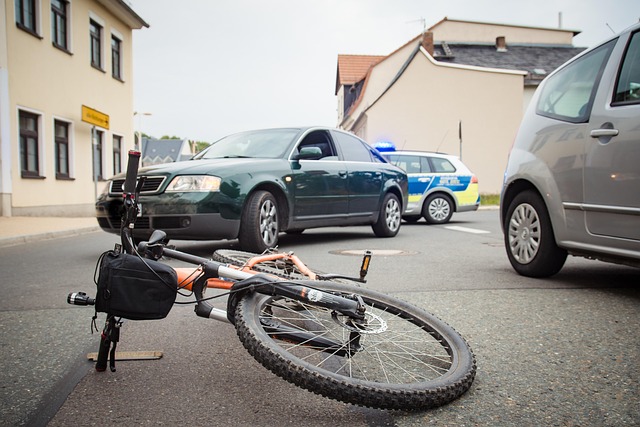

Paperwork may feel like a low priority while an injured cyclist is dealing with treatment, missed work, and bicycle repairs. Still, a police report can provide names, insurance details, witness information, roadway observations, and an early account of the bicycle accident. Obtaining the correct record gives the rider and an attorney a useful starting point for reviewing what happened.
Start by Identifying Which Agency Responded
City police departments, county sheriff’s offices, campus police, and state highway patrol units may all investigate traffic collisions. Riders should check any exchange card, case slip, citation, or incident number given at the scene to confirm which agency handled the bicycle crash.
Gather the Details Needed to Locate the Record
Request systems usually search by a report or case number, though victims can often use other information if that number is missing. Helpful details include the cyclist’s full name, the driver’s name, the collision date, the approximate time, the street or intersection, and the responding officer’s name.
Accurate entries reduce the chance of receiving the wrong document or being told that no record exists. Minor differences in spelling, road names, or dates can interfere with database searches, particularly when several bicycle accident reports were filed in the same area.
Choose the Request Method the Agency Accepts
Many departments allow requests through an online records portal, while others use email, mail, telephone, or in-person forms. The agency’s records division can explain which method applies, what identification is required, and whether the report is available as a digital file or printed copy.
Expect a Processing Period Before the Report Is Ready
Officers rarely finish every part of a collision report at the scene. Notes may need review, diagrams may require completion, and supervisors may need to approve the record before public release.
Processing times can vary based on agency workload, the seriousness of the bicycle accident, and whether investigators are still collecting information. Calling repeatedly will not always speed the process, but a polite status request can confirm that the report number is valid and the request was received.
A Small Fee or Identity Check May Be Required
Records departments often charge a modest copying, mailing, or electronic processing fee. Victims may also need to provide photo identification or proof that they were involved in the bicycle crash before receiving information protected from general public access.
Review the Report for More Than the Officer’s Summary
Useful information may appear throughout the document rather than only in the narrative section. Bicycle accident cases can involve diagrams, vehicle positions, road conditions, citations, witness names, insurance companies, injury descriptions, and statements attributed to the driver or cyclist.
Readers should also check supplemental pages, attachments, and continuation reports. A short initial copy may not include later witness interviews, amended diagrams, laboratory findings, or follow-up work completed after the original bike accident investigation.
Request Corrections Through the Proper Channel
Police reports sometimes contain mistakes involving addresses, insurance numbers, bicycle descriptions, injury details, or the direction someone was traveling. An injured rider usually cannot rewrite the officer’s conclusions, but factual errors may be brought to the agency’s attention with supporting documents.
Understand What the Report Can and Cannot Prove
A police report creates an early record, but it does not automatically decide legal responsibility. Officers may arrive after the bicycle accident, meaning their account often relies on physical evidence, witness statements, and information provided by the people involved.
Courts and insurers may treat different parts of the document in different ways. Direct officer observations can carry a different weight from secondhand statements, assumptions, or preliminary opinions about fault. Bicycle accident claims should therefore rely on the report alongside photographs, video, medical records, damaged equipment, and independent testimony.
What if No Officer Came to the Scene?
Cyclists sometimes discover that no formal collision report exists because the parties exchanged information without calling police. Another possibility is that an officer responded but created only an incident entry rather than a complete traffic report.
Local procedures may allow the rider to submit a late or self-reported collision form. Prompt action matters because reporting deadlines may apply, and the cyclist’s memory can become less precise over time. Receipts, photographs, medical records, witness contacts, and messages exchanged with the driver can support the account if no officer documented the bicycle crash firsthand.
Protect Personal Information Found in the Record
Reports may contain home addresses, phone numbers, birth dates, driver’s license details, and insurance information. Copies should be stored securely and shared only with people who have a valid reason to review the bicycle accident.
Use the Report to Find Additional Evidence
Witness names listed in the document can lead to independent accounts of the collision. Business names, nearby addresses, bus routes, traffic signals, and responding medical units may point toward video, dispatch records, or other evidence that was not attached to the report.
Officer notes may also identify skid marks, debris, road defects, blocked views, or statements made before the parties had time to reconsider their stories. Those details can guide a broader investigation and help explain why a bicycle crash occurred.
Keep the Original Copy and Record Each Request
Saving the complete digital file or an unmarked paper copy protects against lost pages and later access problems. Riders should also retain payment receipts, confirmation emails, request numbers, and correspondence with the records department.
The Lackey Law Firm can help injured cyclists identify the responding agency, obtain available reports, review the document for missing information, and follow leads found within the record. Their legal team can compare police findings with medical evidence, photographs, video, witness accounts, and insurance statements, helping bicycle accident claims rest on a complete investigation rather than a single report.